
At a glance
What happened: Less than a week after moving in, my clients’ living room ceiling filled with water from an upstairs tub.
Why it was missed: The inspector checked for leaks without a moisture meter, and the sellers hadn’t used the tub in years.
What I do now: I recommend inspectors who use thermal cameras.
My clients had been in their new house for less than a week.
The kids were excited about the giant jetted tub upstairs, so they took their very first bath in it. They had a great time. Then they pulled the plug.
The water drained straight into the ceiling of the living room below.
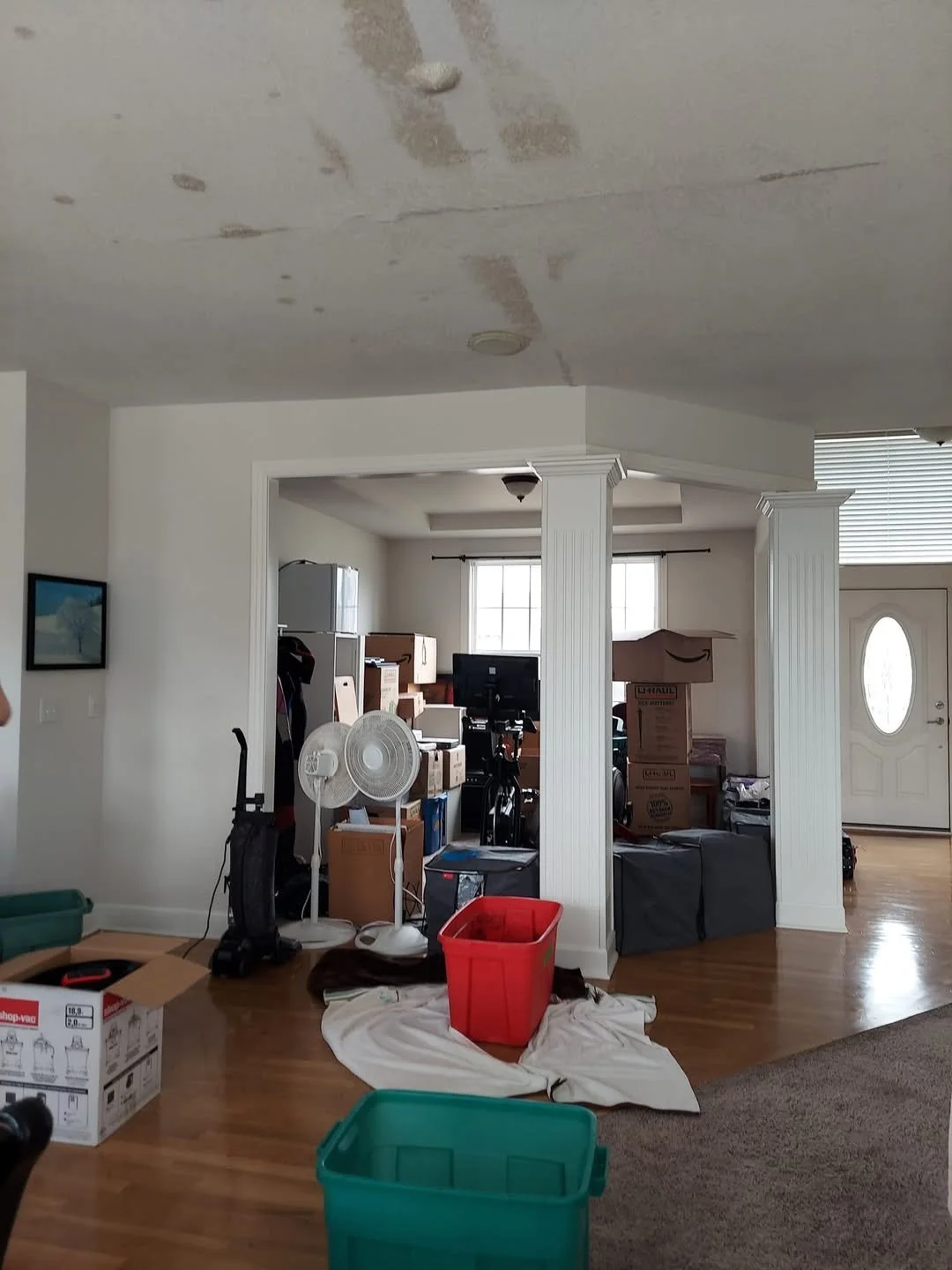
The tub had a plumbing leak. The repair came to about $5,000, an expense nobody had planned for in the first week of owning a home.
How it got missed
They had a home inspection. The inspector checked for leaks, but he didn’t use a moisture meter, so nothing showed up.
When we asked the sellers about it, they said they hadn’t used that tub once in the five or so years they’d lived there. A leak can hide for a long time in a fixture nobody uses. It doesn’t show up until the day someone finally fills the tub.
There was nothing to do but get the work done. So they did.
What I do differently now
Ever since, I recommend inspectors who I know use thermal cameras in their inspections. A thermal camera can show temperature differences behind walls and ceilings that you’d never see with your eyes, like a damp spot under a tub. A moisture meter can confirm it.
It isn’t magic. But it gives the inspector a better chance at catching what’s hiding.
Inspectors are human
Inspectors are going to miss things. You could send 10 inspectors through the same house and get 10 different reports. That isn’t a reason to skip an inspection. It’s a reason to choose your inspector carefully, and to know what to ask.
What to ask before your inspection
What tools do you use? Ask specifically about a moisture meter and a thermal camera.
Will you run the water? Every tub, shower and sink, long enough to drain the way it would in real life.
What doesn’t the seller use? A guest bath, a jetted tub, a basement shower. Those are the fixtures most likely to hide a slow leak. Ask the listing agent, and tell your inspector.
What does the report not cover? Every inspector has limits. Know them before you close.
I’m not an inspector, and I’ll always tell you to hire a good one. But I’ve watched enough water go where it shouldn’t (I live with a structural engineer who is a little obsessed with drainage) to know which questions to ask before you sign.
Buying a home in Kansas City?
I notice what the listing photos don’t show you, and I’ll connect you with inspectors I trust. Here’s how I help buyers, or text me.
